•  
Samurai float parade in central Japan

Samurai float parade in central Japan

A procession of floats representing samurai warriors parade through Sakai in Fukui Prefecture, central Japan, during the traditional "Mikuni" festival, which dates back 300 years, on May 20, 2025.

  •  
Samurai float parade in central Japan

Samurai float parade in central Japan

A procession of floats representing samurai warriors parade through Sakai in Fukui Prefecture, central Japan, during the traditional "Mikuni" festival, which dates back 300 years, on May 20, 2025.

  •  
Samurai float parade in central Japan

Samurai float parade in central Japan

A procession of floats representing samurai warriors parade through Sakai in Fukui Prefecture, central Japan, during the traditional "Mikuni" festival, which dates back 300 years, on May 20, 2025.

  •  

China: Dog Enjoys Underwater Scenery Inside Small Diving Capsule

On May 20, 2025, in Nanning, located in southern China’s Guangxi region, a woman placed her white dog inside a small diving capsule. She then lowered the capsule into shallow water, allowing the dog to observe the underwater scenery.

  •  

Drill in whaling town ahead of hunting season

TAIJI, Japan, Aug. 20 Kyodo - Japan Coast Guard members conduct an anti-violence drill off Taiji, a whaling town in the western Japan prefecture of Wakayama, on Aug. 20, 2025, as the new season's dolphin hunting from September may attract activists from anti-whaling groups. (Kyodo)

  •  

US: Coyote Fire Spreads in El Dorado County, California

The Coyote Fire started on August 20, 2025, around 2:16 p.m., near Cedar Creek Road and Coyoteville Lane in Somerset, located in El Dorado County, California. By approximately 7 p.m., the wildfire had burned around 400 acres, rapidly spreading from an initial 60 acres earlier in the afternoon. Cal Fire reports evacuation warnings are in place for areas including Omo Ranch Road to Farnham Ridge Road, cautioning that the situation may escalate to mandatory evacuation.

  •  

US: Coyote Fire Spreads in El Dorado County, California 2

The Coyote Fire started on August 20, 2025, around 2:16 p.m., near Cedar Creek Road and Coyoteville Lane in Somerset, located in El Dorado County, California. By approximately 7 p.m., the wildfire had burned around 400 acres, rapidly spreading from an initial 60 acres earlier in the afternoon. Cal Fire reports evacuation warnings are in place for areas including Omo Ranch Road to Farnham Ridge Road, cautioning that the situation may escalate to mandatory evacuation.

  •  
Drill in whaling town ahead of hunting season

Drill in whaling town ahead of hunting season

Japan Coast Guard members conduct an anti-violence drill off Taiji, a whaling town in the western Japan prefecture of Wakayama, on Aug. 20, 2025, as the new season's dolphin hunting from September may attract activists from anti-whaling groups.

  •  
Japanese scam suspects in Cambodia deported to Japan

Japanese scam suspects in Cambodia deported to Japan

A chartered Malaysia Airlines plane carrying 29 Japanese men and women suspected of involvement in a fraud scheme in Poipet, northwestern Cambodia, takes off from an airport in Phnom Penh on Aug. 20, 2025, for deportation to Japan. About 80 officers from Japan's Aichi prefectural police were recently sent to Cambodia to transport the 29 Japanese, detained by local authorities in May 2025.

  •  
Japanese scam suspects in Cambodia deported to Japan

Japanese scam suspects in Cambodia deported to Japan

A chartered Malaysia Airlines plane carrying 29 Japanese men and women suspected of involvement in a fraud scheme in Poipet, northwestern Cambodia, prepares to take off from an airport in Phnom Penh on Aug. 20, 2025, for deportation to Japan. About 80 officers from Japan's Aichi prefectural police were recently sent to Cambodia to transport the 29 Japanese, detained by local authorities in May 2025.

  •  
Japanese scam suspects in Cambodia to be deported to Japan

Japanese scam suspects in Cambodia to be deported to Japan

A bus carrying 29 Japanese men and women suspected of involvement in a fraud scheme in Poipet, northwestern Cambodia, leaves a detention facility in Phnom Penh on Aug. 20, 2025, for deportation to Japan. About 80 officers from Japan's Aichi prefectural police were sent to Cambodia to transport the 29 Japanese, detained by local authorities in May 2025, on a chartered Malaysia Airlines plane.

  •  
Japanese scam suspects in Cambodia to be deported to Japan

Japanese scam suspects in Cambodia to be deported to Japan

A bus carrying 29 Japanese men and women suspected of involvement in a fraud scheme in Poipet, northwestern Cambodia, leaves a detention facility in Phnom Penh on Aug. 20, 2025, for deportation to Japan. About 80 officers from Japan's Aichi prefectural police were sent to Cambodia to transport the 29 Japanese, detained by local authorities in May 2025, on a chartered Malaysia Airlines plane.

  •  
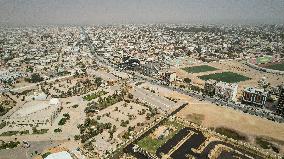
Nouakchott City Daily Life - Mauritania

Nouakchott City Daily Life - Mauritania

An aerial drone photo taken on May 20, 2025 shows the cityscape in Nouakchott, Mauritania. Nouakchott, on the edge of the Sahara Desert, is the capital of Mauritania and its political, economic, and cultural center. Photo by Si Yuan/Xinhua/ABACAPRESS.COM

  •  
Illustration - Petition Against Duplomb Pesticide Law Hits 800 000 Signatures

Illustration - Petition Against Duplomb Pesticide Law Hits 800 000 Signatures

Illustration from the French National Assembly's petitions platform. A record-breaking petition for the repeal of the controversial Duplomb Law in France has garnered over 800,000 signatures in just a few days. Launched by 23-year-old student Éléonore Pattery, the petition has been widely supported by anti-Duplomb parties and environmental groups, highlighting public concern over the reintroduction of banned pesticides like acetamiprid. The French National Assembly's petitions platform Citizens can submit and sign petitions to the National Assembly, with those garnering over 100,000 signatures gaining online visibility. Each petition is assigned to one of eight permanent commissions, where it may be debated or classified, and petitions with 500,000 signatures can lead to a public debate. Paris, France on July 20, 2025. Photo by Christopher Charpaud/ABACAPRESS.COM

  •  
Illustration - Petition Against Duplomb Pesticide Law Hits 800 000 Signatures

Illustration - Petition Against Duplomb Pesticide Law Hits 800 000 Signatures

Illustration from the French National Assembly's petitions platform. A record-breaking petition for the repeal of the controversial Duplomb Law in France has garnered over 800,000 signatures in just a few days. Launched by 23-year-old student Éléonore Pattery, the petition has been widely supported by anti-Duplomb parties and environmental groups, highlighting public concern over the reintroduction of banned pesticides like acetamiprid. The French National Assembly's petitions platform Citizens can submit and sign petitions to the National Assembly, with those garnering over 100,000 signatures gaining online visibility. Each petition is assigned to one of eight permanent commissions, where it may be debated or classified, and petitions with 500,000 signatures can lead to a public debate. Paris, France on July 20, 2025. Photo by Christopher Charpaud/ABACAPRESS.COM

  •  
Illustration - Petition Against Duplomb Pesticide Law Hits 700,000 Signatures

Illustration - Petition Against Duplomb Pesticide Law Hits 700,000 Signatures

Illustration from the French National Assembly's petitions platform. A record-breaking petition for the repeal of the controversial Duplomb Law in France has garnered over 700,000 signatures in just a few days. Launched by 23-year-old student Éléonore Pattery, the petition has been widely supported by anti-Duplomb parties and environmental groups, highlighting public concern over the reintroduction of banned pesticides like acetamiprid. The French National Assembly's petitions platform Citizens can submit and sign petitions to the National Assembly, with those garnering over 100,000 signatures gaining online visibility. Each petition is assigned to one of eight permanent commissions, where it may be debated or classified, and petitions with 500,000 signatures can lead to a public debate. Paris, France on July 20, 2025. Photo by Christopher Charpaud/ABACAPRESS.COM

  •  
Illustration - Petition Against Duplomb Pesticide Law Hits 700,000 Signatures

Illustration - Petition Against Duplomb Pesticide Law Hits 700,000 Signatures

Illustration from the French National Assembly's petitions platform. A record-breaking petition for the repeal of the controversial Duplomb Law in France has garnered over 700,000 signatures in just a few days. Launched by 23-year-old student Éléonore Pattery, the petition has been widely supported by anti-Duplomb parties and environmental groups, highlighting public concern over the reintroduction of banned pesticides like acetamiprid. The French National Assembly's petitions platform Citizens can submit and sign petitions to the National Assembly, with those garnering over 100,000 signatures gaining online visibility. Each petition is assigned to one of eight permanent commissions, where it may be debated or classified, and petitions with 500,000 signatures can lead to a public debate. Paris, France on July 20, 2025. Photo by Christopher Charpaud/ABACAPRESS.COM

  •  
Illustration - Petition Against Duplomb Pesticide Law Hits 700,000 Signatures

Illustration - Petition Against Duplomb Pesticide Law Hits 700,000 Signatures

Illustration from the French National Assembly's petitions platform. A record-breaking petition for the repeal of the controversial Duplomb Law in France has garnered over 700,000 signatures in just a few days. Launched by 23-year-old student Éléonore Pattery, the petition has been widely supported by anti-Duplomb parties and environmental groups, highlighting public concern over the reintroduction of banned pesticides like acetamiprid. The French National Assembly's petitions platform Citizens can submit and sign petitions to the National Assembly, with those garnering over 100,000 signatures gaining online visibility. Each petition is assigned to one of eight permanent commissions, where it may be debated or classified, and petitions with 500,000 signatures can lead to a public debate. Paris, France on July 20, 2025. Photo by Christopher Charpaud/ABACAPRESS.COM

  •  
Illustration - Petition Against Duplomb Pesticide Law Hits 700,000 Signatures

Illustration - Petition Against Duplomb Pesticide Law Hits 700,000 Signatures

Illustration from the French National Assembly's petitions platform. A record-breaking petition for the repeal of the controversial Duplomb Law in France has garnered over 700,000 signatures in just a few days. Launched by 23-year-old student Éléonore Pattery, the petition has been widely supported by anti-Duplomb parties and environmental groups, highlighting public concern over the reintroduction of banned pesticides like acetamiprid. The French National Assembly's petitions platform Citizens can submit and sign petitions to the National Assembly, with those garnering over 100,000 signatures gaining online visibility. Each petition is assigned to one of eight permanent commissions, where it may be debated or classified, and petitions with 500,000 signatures can lead to a public debate. Paris, France on July 20, 2025. Photo by Christopher Charpaud/ABACAPRESS.COM

  •  
President Donald Trump hosts "One, Big, Beatuiful Event" in Washington, DC

President Donald Trump hosts "One, Big, Beatuiful Event" in Washington, DC

President Donald Trump holds a photograph of Katie Abraham, a 20-year-old killed in a hit-and-run car accident by a Guatemalan immigrant, during the "One, Big, Beautiful Event" in the East Room of the White House in Washington, DC on Thursday, June 26, 2025. While the House narrowly passed the "One, Big Beautiful Bill" in May, the Senate is looking to pass the bill by President Donald Trump's July 4th deadline. Photo by Ken Cedeno/Pool/ABACAPRESS.COM

  •  
President Donald Trump hosts “One, Big, Beatuiful Event” in Washington, DC

President Donald Trump hosts “One, Big, Beatuiful Event” in Washington, DC

President Donald Trump holds a photograph of Katie Abraham, a 20-year-old killed in a hit-and-run car accident by a Guatemalan immigrant, during the “One, Big, Beautiful Event” in the East Room of the White House in Washington, DC on Thursday, June 26, 2025. While the House narrowly passed the “One, Big Beautiful Bill” in May, the Senate is looking to pass the bill President Donald Trump’s July 4th deadline. Photo by Ken Cedeno/Pool/ABACAPRESS.COM

  •  
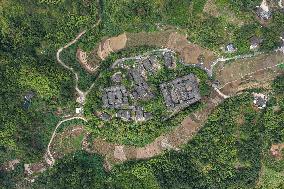
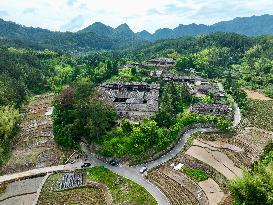
Fujian Fortified Manors - China

Fujian Fortified Manors - China

An aerial drone photo taken on May 20, 2025 shows Zhutou Manor in Yongtai County, southeast China's Fujian Province. Nestled in the Daiyun Mountain like scattered pearls, over 2,000 fortified manors in Yongtai County trace their origins to the Tang Dynasty 618-907 AD), flourishing later during the Ming 1368-1644) and Qing 1644-1911) eras. Today, increasing numbers of ancient manors and villages are being protected and revitalized. As historical heritage integrates with contemporary life and cultural landscapes merge with humanistic values, these age-old structures are radiating renewed vitality. Photo by Zhang Keren/Xinhua/ABACAPRESS.COM

  •  
Fujian Fortified Manors - China

Fujian Fortified Manors - China

An aerial drone photo taken on May 20, 2025 shows Beishan Manor in Yongtai County, southeast China's Fujian Province. Nestled in the Daiyun Mountain like scattered pearls, over 2,000 fortified manors in Yongtai County trace their origins to the Tang Dynasty 618-907 AD), flourishing later during the Ming 1368-1644) and Qing 1644-1911) eras. Today, increasing numbers of ancient manors and villages are being protected and revitalized. As historical heritage integrates with contemporary life and cultural landscapes merge with humanistic values, these age-old structures are radiating renewed vitality. Photo by Zhang Keren/Xinhua/ABACAPRESS.COM

  •  
Fujian Fortified Manors - China

Fujian Fortified Manors - China

This photo taken on May 20, 2025 shows timber structural elements of a fortified manor in Yongtai County, southeast China's Fujian Province. Nestled in the Daiyun Mountain like scattered pearls, over 2,000 fortified manors in Yongtai County trace their origins to the Tang Dynasty 618-907 AD), flourishing later during the Ming 1368-1644) and Qing 1644-1911) eras. Today, increasing numbers of ancient manors and villages are being protected and revitalized. As historical heritage integrates with contemporary life and cultural landscapes merge with humanistic values, these age-old structures are radiating renewed vitality. Photo by Wang Zecong/Xinhua/ABACAPRESS.COM

  •  
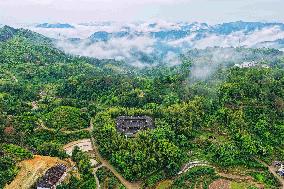
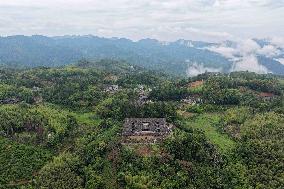
Fujian Fortified Manors - China

Fujian Fortified Manors - China

An aerial drone photo taken on May 20, 2025 shows Hecheng Manor in Yongtai County, southeast China's Fujian Province. Nestled in the Daiyun Mountain like scattered pearls, over 2,000 fortified manors in Yongtai County trace their origins to the Tang Dynasty 618-907 AD), flourishing later during the Ming 1368-1644) and Qing 1644-1911) eras. Today, increasing numbers of ancient manors and villages are being protected and revitalized. As historical heritage integrates with contemporary life and cultural landscapes merge with humanistic values, these age-old structures are radiating renewed vitality. Photo by Zhang Keren/Xinhua/ABACAPRESS.COM

  •  
Fujian Fortified Manors - China

Fujian Fortified Manors - China

An aerial drone photo taken on May 20, 2025 shows Hecheng Manor in Yongtai County, southeast China's Fujian Province. Nestled in the Daiyun Mountain like scattered pearls, over 2,000 fortified manors in Yongtai County trace their origins to the Tang Dynasty 618-907 AD), flourishing later during the Ming 1368-1644) and Qing 1644-1911) eras. Today, increasing numbers of ancient manors and villages are being protected and revitalized. As historical heritage integrates with contemporary life and cultural landscapes merge with humanistic values, these age-old structures are radiating renewed vitality. Photo by Wang Zecong/Xinhua/ABACAPRESS.COM

  •  
Fujian Fortified Manors - China

Fujian Fortified Manors - China

An aerial photo taken on May 20, 2025 shows Hecheng Manor in Yongtai County, southeast China's Fujian Province. Nestled in the Daiyun Mountain like scattered pearls, over 2,000 fortified manors in Yongtai County trace their origins to the Tang Dynasty 618-907 AD), flourishing later during the Ming 1368-1644) and Qing 1644-1911) eras. Today, increasing numbers of ancient manors and villages are being protected and revitalized. As historical heritage integrates with contemporary life and cultural landscapes merge with humanistic values, these age-old structures are radiating renewed vitality. Photo by Jiang Kehong/Xinhua/ABACAPRESS.COM

  •  
Fujian Fortified Manors - China

Fujian Fortified Manors - China

An aerial photo taken on May 20, 2025 shows Zhutou Manor in Yongtai County, southeast China's Fujian Province. Nestled in the Daiyun Mountain like scattered pearls, over 2,000 fortified manors in Yongtai County trace their origins to the Tang Dynasty 618-907 AD), flourishing later during the Ming 1368-1644) and Qing 1644-1911) eras. Today, increasing numbers of ancient manors and villages are being protected and revitalized. As historical heritage integrates with contemporary life and cultural landscapes merge with humanistic values, these age-old structures are radiating renewed vitality. Photo by Jiang Kehong/Xinhua/ABACAPRESS.COM

  •  
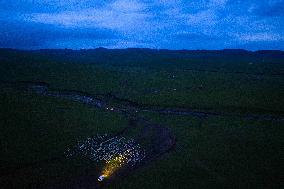
Nomadic Life in Inner Mongolia's Horqin Grassland - China

Nomadic Life in Inner Mongolia's Horqin Grassland - China

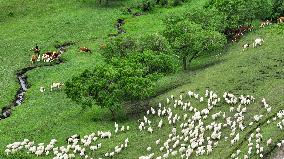
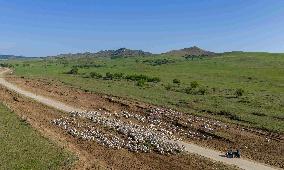
An aerial drone photo taken on June 14, 2025 shows herdsmen driving the livestock at night on the way to the summer campsite on Ar Horqin Grassland, Chifeng City of north China's Inner Mongolia Autonomous Region. Saintsogt, 55, a herdsman in Bayin-undur of Ar Horqin Banner, north China's Inner Mongolia Autonomous Region, is busy with the annual summer migration covering a distance of about 100 kilometers. For the past four decades, he has completed the migration every year. Saintsogt's pasture is a part of the Ar Horqin Grassland Nomadic System, which was listed as one of the Globally Important Agricultural Heritage Systems (GIAHS) sites by the United Nations Food and Agriculture Organization (FAO) on May 20, 2022. Herders here still keep the traditional nomadic customs today. "The travel time has been shortened to three days from eight," Saintsogt said. "The rain makes pasture grow better, and the livestock have enough forage." This year, herders from more than 1,200 households and 128,000 livestock in Bayin

  •  
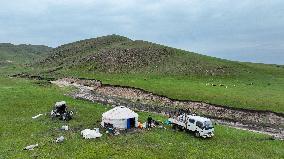
Nomadic Life in Inner Mongolia's Horqin Grassland - China

Nomadic Life in Inner Mongolia's Horqin Grassland - China

An aerial drone photo taken on June 15, 2025 shows a Mongolian yurt of Saintsogt at his summer campsite on Ar Horqin Grassland, Chifeng City of north China's Inner Mongolia Autonomous Region. Saintsogt, 55, a herdsman in Bayin-undur of Ar Horqin Banner, north China's Inner Mongolia Autonomous Region, is busy with the annual summer migration covering a distance of about 100 kilometers. For the past four decades, he has completed the migration every year. Saintsogt's pasture is a part of the Ar Horqin Grassland Nomadic System, which was listed as one of the Globally Important Agricultural Heritage Systems (GIAHS) sites by the United Nations Food and Agriculture Organization (FAO) on May 20, 2022. Herders here still keep the traditional nomadic customs today. "The travel time has been shortened to three days from eight," Saintsogt said. "The rain makes pasture grow better, and the livestock have enough forage." This year, herders from more than 1,200 households and 128,000 livestock in Bayin-undur joined the mig

  •  
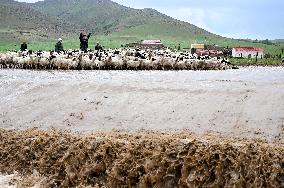
Nomadic Life in Inner Mongolia's Horqin Grassland - China

Nomadic Life in Inner Mongolia's Horqin Grassland - China

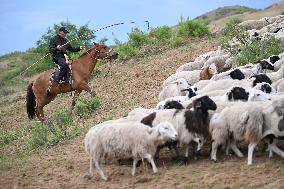
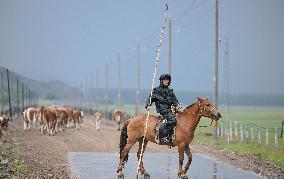
Saintsogt's son (2nd R) drives sheep in rain on his way to the summer campsite on Ar Horqin Grassland, Chifeng City of north China's Inner Mongolia Autonomous Region, June 13, 2025. Saintsogt, 55, a herdsman in Bayin-undur of Ar Horqin Banner, north China's Inner Mongolia Autonomous Region, is busy with the annual summer migration covering a distance of about 100 kilometers. For the past four decades, he has completed the migration every year. Saintsogt's pasture is a part of the Ar Horqin Grassland Nomadic System, which was listed as one of the Globally Important Agricultural Heritage Systems (GIAHS) sites by the United Nations Food and Agriculture Organization (FAO) on May 20, 2022. Herders here still keep the traditional nomadic customs today. "The travel time has been shortened to three days from eight," Saintsogt said. "The rain makes pasture grow better, and the livestock have enough forage." This year, herders from more than 1,200 households and 128,000 livestock in Bayin-undur joined the migration. Ph

  •  
Nomadic Life in Inner Mongolia's Horqin Grassland - China

Nomadic Life in Inner Mongolia's Horqin Grassland - China

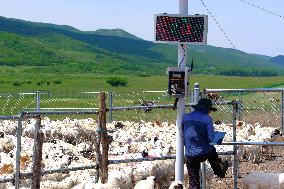
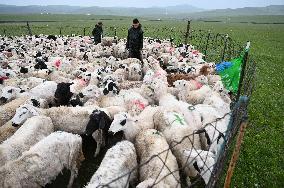
A staff member of Gogodtai Han Ul national nature reserve counts the livestock entering the nature reserve in north China's Inner Mongolia Autonomous Region, June 14, 2025. Saintsogt, 55, a herdsman in Bayin-undur of Ar Horqin Banner, north China's Inner Mongolia Autonomous Region, is busy with the annual summer migration covering a distance of about 100 kilometers. For the past four decades, he has completed the migration every year. Saintsogt's pasture is a part of the Ar Horqin Grassland Nomadic System, which was listed as one of the Globally Important Agricultural Heritage Systems (GIAHS) sites by the United Nations Food and Agriculture Organization (FAO) on May 20, 2022. Herders here still keep the traditional nomadic customs today. "The travel time has been shortened to three days from eight," Saintsogt said. "The rain makes pasture grow better, and the livestock have enough forage." This year, herders from more than 1,200 households and 128,000 livestock in Bayin-undur joined the migration. Photo by Ma

  •  
Nomadic Life in Inner Mongolia's Horqin Grassland - China

Nomadic Life in Inner Mongolia's Horqin Grassland - China

Saintsogt's son seeks for a sick sheep after arriving at the summer campsite on Ar Horqin Grassland, Chifeng City of north China's Inner Mongolia Autonomous Region, June 15, 2025. Saintsogt, 55, a herdsman in Bayin-undur of Ar Horqin Banner, north China's Inner Mongolia Autonomous Region, is busy with the annual summer migration covering a distance of about 100 kilometers. For the past four decades, he has completed the migration every year. Saintsogt's pasture is a part of the Ar Horqin Grassland Nomadic System, which was listed as one of the Globally Important Agricultural Heritage Systems (GIAHS) sites by the United Nations Food and Agriculture Organization (FAO) on May 20, 2022. Herders here still keep the traditional nomadic customs today. "The travel time has been shortened to three days from eight," Saintsogt said. "The rain makes pasture grow better, and the livestock have enough forage." This year, herders from more than 1,200 households and 128,000 livestock in Bayin-undur joined the migration. Phot

  •  
Nomadic Life in Inner Mongolia's Horqin Grassland - China

Nomadic Life in Inner Mongolia's Horqin Grassland - China

Saintsogt's wife arranges bedding at home before departing for the summer campsite on Ar Horqin Grassland, Chifeng City of north China's Inner Mongolia Autonomous Region, June 13, 2025. Saintsogt, 55, a herdsman in Bayin-undur of Ar Horqin Banner, north China's Inner Mongolia Autonomous Region, is busy with the annual summer migration covering a distance of about 100 kilometers. For the past four decades, he has completed the migration every year. Saintsogt's pasture is a part of the Ar Horqin Grassland Nomadic System, which was listed as one of the Globally Important Agricultural Heritage Systems (GIAHS) sites by the United Nations Food and Agriculture Organization (FAO) on May 20, 2022. Herders here still keep the traditional nomadic customs today. "The travel time has been shortened to three days from eight," Saintsogt said. "The rain makes pasture grow better, and the livestock have enough forage." This year, herders from more than 1,200 households and 128,000 livestock in Bayin-undur joined the migration

  •  
Nomadic Life in Inner Mongolia's Horqin Grassland - China

Nomadic Life in Inner Mongolia's Horqin Grassland - China

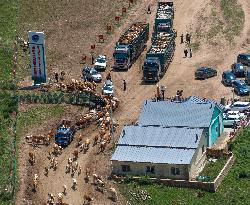
An aerial drone photo taken on June 14, 2025 shows herders waiting for entering the Gogodtai Han Ul national nature reserve in north China's Inner Mongolia Autonomous Region. Saintsogt, 55, a herdsman in Bayin-undur of Ar Horqin Banner, north China's Inner Mongolia Autonomous Region, is busy with the annual summer migration covering a distance of about 100 kilometers. For the past four decades, he has completed the migration every year. Saintsogt's pasture is a part of the Ar Horqin Grassland Nomadic System, which was listed as one of the Globally Important Agricultural Heritage Systems (GIAHS) sites by the United Nations Food and Agriculture Organization (FAO) on May 20, 2022. Herders here still keep the traditional nomadic customs today. "The travel time has been shortened to three days from eight," Saintsogt said. "The rain makes pasture grow better, and the livestock have enough forage." This year, herders from more than 1,200 households and 128,000 livestock in Bayin-undur joined the migration. Photo by

  •  
Nomadic Life in Inner Mongolia's Horqin Grassland - China

Nomadic Life in Inner Mongolia's Horqin Grassland - China

Saintsogt gathers the livestock at the winter campsite before departing for the summer campsite on Ar Horqin Grassland, Chifeng City of north China's Inner Mongolia Autonomous Region, June 13, 2025. Saintsogt, 55, a herdsman in Bayin-undur of Ar Horqin Banner, north China's Inner Mongolia Autonomous Region, is busy with the annual summer migration covering a distance of about 100 kilometers. For the past four decades, he has completed the migration every year. Saintsogt's pasture is a part of the Ar Horqin Grassland Nomadic System, which was listed as one of the Globally Important Agricultural Heritage Systems (GIAHS) sites by the United Nations Food and Agriculture Organization (FAO) on May 20, 2022. Herders here still keep the traditional nomadic customs today. "The travel time has been shortened to three days from eight," Saintsogt said. "The rain makes pasture grow better, and the livestock have enough forage." This year, herders from more than 1,200 households and 128,000 livestock in Bayin-undur joined

  •  
Nomadic Life in Inner Mongolia's Horqin Grassland - China

Nomadic Life in Inner Mongolia's Horqin Grassland - China

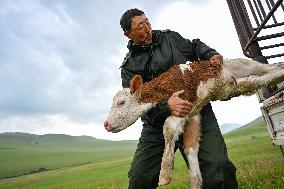
Saintsogt takes a newly born calf off the truck after arriving at the summer campsite on Ar Horqin Grassland, Chifeng City of north China's Inner Mongolia Autonomous Region, June 15, 2025. Saintsogt, 55, a herdsman in Bayin-undur of Ar Horqin Banner, north China's Inner Mongolia Autonomous Region, is busy with the annual summer migration covering a distance of about 100 kilometers. For the past four decades, he has completed the migration every year. Saintsogt's pasture is a part of the Ar Horqin Grassland Nomadic System, which was listed as one of the Globally Important Agricultural Heritage Systems (GIAHS) sites by the United Nations Food and Agriculture Organization (FAO) on May 20, 2022. Herders here still keep the traditional nomadic customs today. "The travel time has been shortened to three days from eight," Saintsogt said. "The rain makes pasture grow better, and the livestock have enough forage." This year, herders from more than 1,200 households and 128,000 livestock in Bayin-undur joined the migrat

  •  
Nomadic Life in Inner Mongolia's Horqin Grassland - China

Nomadic Life in Inner Mongolia's Horqin Grassland - China

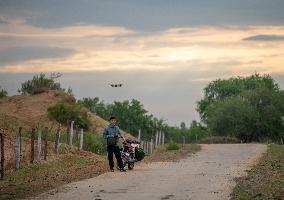
Saintsogt's son operates a drone to check the number of the livestock on Ar Horqin Grassland, Chifeng City of north China's Inner Mongolia Autonomous Region, June 13, 2025. Saintsogt, 55, a herdsman in Bayin-undur of Ar Horqin Banner, north China's Inner Mongolia Autonomous Region, is busy with the annual summer migration covering a distance of about 100 kilometers. For the past four decades, he has completed the migration every year. Saintsogt's pasture is a part of the Ar Horqin Grassland Nomadic System, which was listed as one of the Globally Important Agricultural Heritage Systems (GIAHS) sites by the United Nations Food and Agriculture Organization (FAO) on May 20, 2022. Herders here still keep the traditional nomadic customs today. "The travel time has been shortened to three days from eight," Saintsogt said. "The rain makes pasture grow better, and the livestock have enough forage." This year, herders from more than 1,200 households and 128,000 livestock in Bayin-undur joined the migration. Photo by Ma

  •  
Nomadic Life in Inner Mongolia's Horqin Grassland - China

Nomadic Life in Inner Mongolia's Horqin Grassland - China

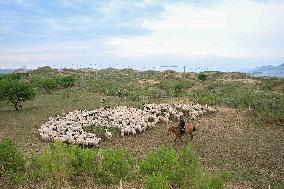
An aerial drone photo taken on June 14, 2025 shows Saintsogt driving the livestock on his way to the summer campsite on Ar Horqin Grassland, Chifeng City of north China's Inner Mongolia Autonomous Region. Saintsogt, 55, a herdsman in Bayin-undur of Ar Horqin Banner, north China's Inner Mongolia Autonomous Region, is busy with the annual summer migration covering a distance of about 100 kilometers. For the past four decades, he has completed the migration every year. Saintsogt's pasture is a part of the Ar Horqin Grassland Nomadic System, which was listed as one of the Globally Important Agricultural Heritage Systems (GIAHS) sites by the United Nations Food and Agriculture Organization (FAO) on May 20, 2022. Herders here still keep the traditional nomadic customs today. "The travel time has been shortened to three days from eight," Saintsogt said. "The rain makes pasture grow better, and the livestock have enough forage." This year, herders from more than 1,200 households and 128,000 livestock in Bayin-undur j

  •  
Nomadic Life in Inner Mongolia's Horqin Grassland - China

Nomadic Life in Inner Mongolia's Horqin Grassland - China

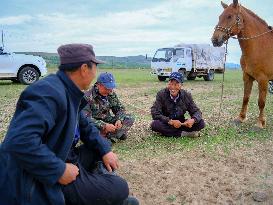
Saintsogt (R) talks with other herdsmen on their way to the summer campsite on Ar Horqin Grassland, Chifeng City of north China's Inner Mongolia Autonomous Region, June 13, 2025. Saintsogt, 55, a herdsman in Bayin-undur of Ar Horqin Banner, north China's Inner Mongolia Autonomous Region, is busy with the annual summer migration covering a distance of about 100 kilometers. For the past four decades, he has completed the migration every year. Saintsogt's pasture is a part of the Ar Horqin Grassland Nomadic System, which was listed as one of the Globally Important Agricultural Heritage Systems (GIAHS) sites by the United Nations Food and Agriculture Organization (FAO) on May 20, 2022. Herders here still keep the traditional nomadic customs today. "The travel time has been shortened to three days from eight," Saintsogt said. "The rain makes pasture grow better, and the livestock have enough forage." This year, herders from more than 1,200 households and 128,000 livestock in Bayin-undur joined the migration. Photo

  •  
Nomadic Life in Inner Mongolia's Horqin Grassland - China

Nomadic Life in Inner Mongolia's Horqin Grassland - China

Saintsogt gathers the livestock at their winter campsite before departing for the summer campsite on Ar Horqin Grassland, Chifeng City of north China's Inner Mongolia Autonomous Region, June 13, 2025. Saintsogt, 55, a herdsman in Bayin-undur of Ar Horqin Banner, north China's Inner Mongolia Autonomous Region, is busy with the annual summer migration covering a distance of about 100 kilometers. For the past four decades, he has completed the migration every year. Saintsogt's pasture is a part of the Ar Horqin Grassland Nomadic System, which was listed as one of the Globally Important Agricultural Heritage Systems (GIAHS) sites by the United Nations Food and Agriculture Organization (FAO) on May 20, 2022. Herders here still keep the traditional nomadic customs today. "The travel time has been shortened to three days from eight," Saintsogt said. "The rain makes pasture grow better, and the livestock have enough forage." This year, herders from more than 1,200 households and 128,000 livestock in Bayin-undur joine

  •  
Nomadic Life in Inner Mongolia's Horqin Grassland - China

Nomadic Life in Inner Mongolia's Horqin Grassland - China

An aerial drone photo shows Saintsogt's son (L) riding a motorcycle to drive the livestock on his way to the summer campsite on Ar Horqin Grassland, Chifeng City of north China's Inner Mongolia Autonomous Region, June 14, 2025. Saintsogt, 55, a herdsman in Bayin-undur of Ar Horqin Banner, north China's Inner Mongolia Autonomous Region, is busy with the annual summer migration covering a distance of about 100 kilometers. For the past four decades, he has completed the migration every year. Saintsogt's pasture is a part of the Ar Horqin Grassland Nomadic System, which was listed as one of the Globally Important Agricultural Heritage Systems (GIAHS) sites by the United Nations Food and Agriculture Organization (FAO) on May 20, 2022. Herders here still keep the traditional nomadic customs today. "The travel time has been shortened to three days from eight," Saintsogt said. "The rain makes pasture grow better, and the livestock have enough forage." This year, herders from more than 1,200 households and 128,000 liv

  •  
Nomadic Life in Inner Mongolia's Horqin Grassland - China

Nomadic Life in Inner Mongolia's Horqin Grassland - China

Saintsogt drives cattle in the rain on his way to the summer campsite on Ar Horqin Grassland, Chifeng City of north China's Inner Mongolia Autonomous Region, June 13, 2025. Saintsogt, 55, a herdsman in Bayin-undur of Ar Horqin Banner, north China's Inner Mongolia Autonomous Region, is busy with the annual summer migration covering a distance of about 100 kilometers. For the past four decades, he has completed the migration every year. Saintsogt's pasture is a part of the Ar Horqin Grassland Nomadic System, which was listed as one of the Globally Important Agricultural Heritage Systems (GIAHS) sites by the United Nations Food and Agriculture Organization (FAO) on May 20, 2022. Herders here still keep the traditional nomadic customs today. "The travel time has been shortened to three days from eight," Saintsogt said. "The rain makes pasture grow better, and the livestock have enough forage." This year, herders from more than 1,200 households and 128,000 livestock in Bayin-undur joined the migration. Photo by Be

  •  
Nomadic Life in Inner Mongolia's Horqin Grassland - China

Nomadic Life in Inner Mongolia's Horqin Grassland - China

Saintsogt hugs a newly born calf on his way to the summer campsite on Ar Horqin Grassland, Chifeng City of north China's Inner Mongolia Autonomous Region, June 14, 2025. Saintsogt, 55, a herdsman in Bayin-undur of Ar Horqin Banner, north China's Inner Mongolia Autonomous Region, is busy with the annual summer migration covering a distance of about 100 kilometers. For the past four decades, he has completed the migration every year. Saintsogt's pasture is a part of the Ar Horqin Grassland Nomadic System, which was listed as one of the Globally Important Agricultural Heritage Systems (GIAHS) sites by the United Nations Food and Agriculture Organization (FAO) on May 20, 2022. Herders here still keep the traditional nomadic customs today. "The travel time has been shortened to three days from eight," Saintsogt said. "The rain makes pasture grow better, and the livestock have enough forage." This year, herders from more than 1,200 households and 128,000 livestock in Bayin-undur joined the migration. Photo by Bei H

  •  
Nomadic Life in Inner Mongolia's Horqin Grassland - China

Nomadic Life in Inner Mongolia's Horqin Grassland - China

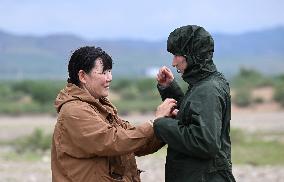
Saintsogt's wife (L) helps her son to wear a raincoat on their way to the summer campsite on Ar Horqin Grassland, Chifeng City of north China's Inner Mongolia Autonomous Region, June 13, 2025. Saintsogt, 55, a herdsman in Bayin-undur of Ar Horqin Banner, north China's Inner Mongolia Autonomous Region, is busy with the annual summer migration covering a distance of about 100 kilometers. For the past four decades, he has completed the migration every year. Saintsogt's pasture is a part of the Ar Horqin Grassland Nomadic System, which was listed as one of the Globally Important Agricultural Heritage Systems (GIAHS) sites by the United Nations Food and Agriculture Organization (FAO) on May 20, 2022. Herders here still keep the traditional nomadic customs today. "The travel time has been shortened to three days from eight," Saintsogt said. "The rain makes pasture grow better, and the livestock have enough forage." This year, herders from more than 1,200 households and 128,000 livestock in Bayin-undur joined the mi

  •  
Nomadic Life in Inner Mongolia's Horqin Grassland - China

Nomadic Life in Inner Mongolia's Horqin Grassland - China

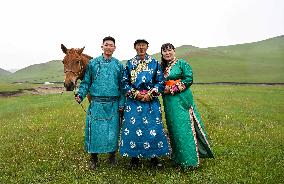
Saintsogt (C), his wife (R) and son pose for a group photo at their summer campsite on Ar Horqin Grassland, Chifeng City of north China's Inner Mongolia Autonomous Region, June 15, 2025. Saintsogt, 55, a herdsman in Bayin-undur of Ar Horqin Banner, north China's Inner Mongolia Autonomous Region, is busy with the annual summer migration covering a distance of about 100 kilometers. For the past four decades, he has completed the migration every year. Saintsogt's pasture is a part of the Ar Horqin Grassland Nomadic System, which was listed as one of the Globally Important Agricultural Heritage Systems (GIAHS) sites by the United Nations Food and Agriculture Organization (FAO) on May 20, 2022. Herders here still keep the traditional nomadic customs today. "The travel time has been shortened to three days from eight," Saintsogt said. "The rain makes pasture grow better, and the livestock have enough forage." This year, herders from more than 1,200 households and 128,000 livestock in Bayin-undur joined the migratio

  •  
China S Largest Lychee Production Base

China S Largest Lychee Production Base

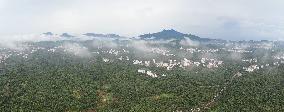
An aerial drone panoramic photo taken on May 19, 2025 shows lychee gardens in Gaozhou of Maoming City, south China's Guangdong Province. Nestled in the lush landscapes of southwestern Guangdong Province, Gaozhou of Maoming City is known as a "hometown of lychees" in China. Maoming is China's largest lychee production base with a planting area of approximately 1.42 million mu (about 94,667 hectares) and an annual output that accounted for roughly 20 percent of the country's total in 2024. Beyond supplying domestic markets, Maoming lychee is exported worldwide, reaching countries including Russia, Australia, Thailand and Japan. Photo by Deng Hua/Xinhua/ABACAPRESS.COM

  •  

Canada: Smoke Blankets Manitoba as Wildfires Continue to Rage

Massive wildfires continue to rage across Manitoba and Saskatchewan, forcing thousands to evacuate and prompting both provinces to declare a state of emergency. Thick plumes of smoke from these blazes have blanketed the region and spread to the upper Midwest of the U.S., where Minnesota’s Pollution Control Agency warned they are expected to last through the first few days of June.

  •  
Dragon Boat Festival Across China

Dragon Boat Festival Across China

Locals row a dragon boat in Zhenyuan ancient town in Qiandongnan Miao and Dong Autonomous Prefecture in southwest China's Guizhou Province, May 20, 2025. Zhenyuan boasts a 22-century-long tradition of dragon boat races, and the county is also well noted for the large sizes and intricate decorations of its dragon boats. The dragon boat racing in Zhenyuan was inscribed in the third batch of China's national intangible cultural heritage list in 2011. Dragon Boat Festival, also known as Duanwu Festival, falls on the fifth day of the fifth month in the Chinese lunar calendar. It is celebrated on May 31 this year. Photo by Ou Dongqu/Xinhua/ABACAPRESS.COM

  •  
Dragon Boat Festival Across China

Dragon Boat Festival Across China

Craftsman Li Qifa checks the newly assembled dragon head for a dragon boat in Zhenyuan ancient town in Qiandongnan Miao and Dong Autonomous Prefecture in southwest China's Guizhou Province, May 20, 2025. Zhenyuan boasts a 22-century-long tradition of dragon boat races, and the county is also well noted for the large sizes and intricate decorations of its dragon boats. The dragon boat racing in Zhenyuan was inscribed in the third batch of China's national intangible cultural heritage list in 2011. Dragon Boat Festival, also known as Duanwu Festival, falls on the fifth day of the fifth month in the Chinese lunar calendar. It is celebrated on May 31 this year. Photo by Ou Dongqu/Xinhua/ABACAPRESS.COM

  • Main
  • Top
  • Editorial
  • Creative
  • About Us
  • About ILG
  • Terms of use
  • Company
  • BEHIND
  • Price List
  • Single Plan
  • Monthly Plan
  • Services
  • Shooting
  • Rights Clearance
  • Support
  • FAQ
  • How To Buy
  • Contact Us
  • Become a Partner

© KYODO NEWS IMAGES INC

All Rights Reserved.

  • Editorial
  • Olympics
  • News
  • Sports
  • Japan
  • Tech
  • Royal
  • Disaster
  • NorthKorea
  • Old Japan
  • SNS
  • Creative
  • Food
  • Japan
  • Landscape
  • Animal
  • Popular
  • #Ukraine
  • #China
  • #coronavirus
  • #N. Korea
  • #Russia
  • #Thailand
  • #Ukraine
  • #China
  • #coronavirus
  • #N. Korea
  • #Russia
  • #Thailand
  • Food
  • Japan
  • Landscape
  • Animal
  • Olympics
  • News
  • Sports
  • Japan
  • Tech
  • Royal
  • Disaster
  • NorthKorea
  • Old Japan
  • SNS